Living a few blocks from the ocean is one of the best parts of owning a home in Sea Girt, but the same salt air and steady sea breeze that make the town so pleasant are hard on masonry chimneys. A reliable chimney service Sea Girt homeowners can trust, such as Baron’s Chimney Service, keeps a fireplace safe to use and stops small coastal wear from turning into an expensive rebuild. Whether your home is a classic shore colonial near the boardwalk or a newer build closer to Route 71, the chimney deserves the same attention you give the roof and the siding.
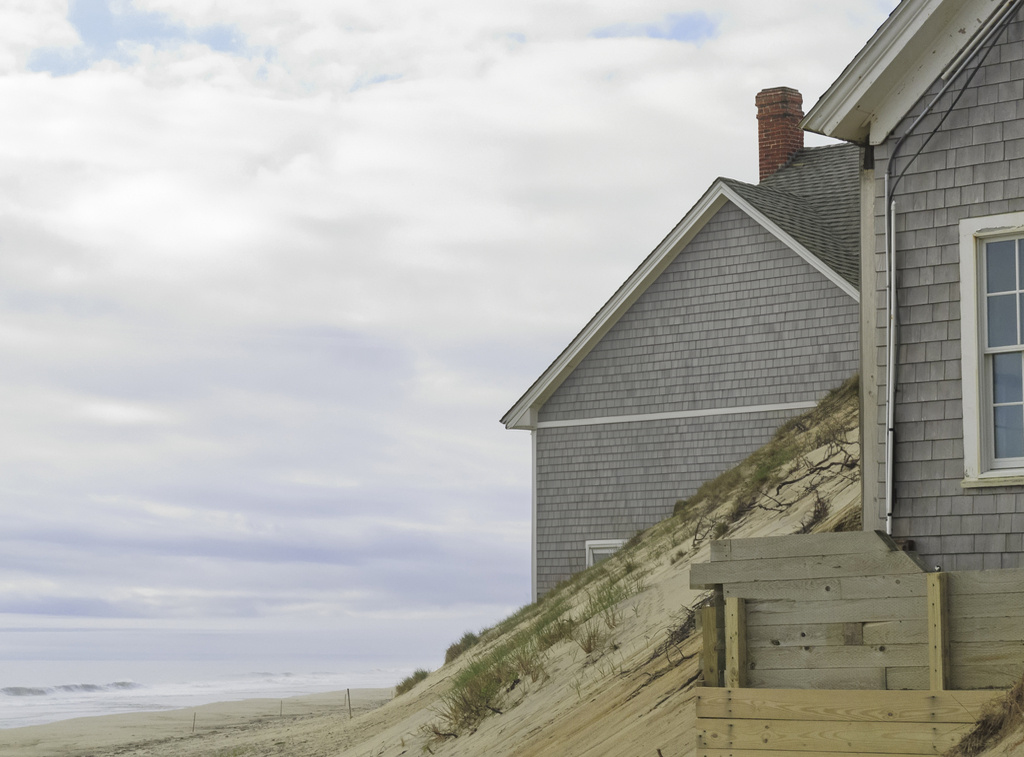
Why Shore Chimneys Wear Out Faster

A chimney is the tallest, most exposed part of most houses. In a coastal town it takes the full force of wind-driven rain, nor’easters and salty, humid air for most of the year. Brick and mortar are porous, so they soak up that moisture. When temperatures drop in winter, the trapped water freezes and expands, and every freeze-thaw cycle widens small cracks a little more.
Salt adds to the problem. It corrodes metal parts such as chimney caps, spark arrestors, dampers and flashing, and it leaves white crusty deposits (efflorescence) on brick as moisture moves through the masonry. Common issues for Sea Girt chimneys include:
- Eroded or crumbling mortar joints
- Cracked chimney crowns that let water straight into the structure
- Flashing that has pulled away from the roof, causing leaks and stained ceilings
- Rusted, loose or missing chimney caps
- Deteriorating flue liners
- Creosote buildup and poor draft that pushes smoke back into the room
What a Chimney Service Sea Girt Homeowners Need Should Include
Good chimney care is more than a quick sweep. A complete visit should look at the whole system, from the firebox to the top of the crown, and explain what was found in plain language. The main services to look for are:
Inspection. A technician checks the exterior masonry, crown, flashing, cap, damper and liner, and looks for creosote and draft problems. The National Fire Protection Association recommends having chimneys, fireplaces and vents inspected by a qualified professional at least once a year, and cleaned as needed.
Cleaning. Every fire leaves creosote on the inside of the flue. It is highly flammable, and a heavy layer is a common cause of chimney fires. Professional cleaning removes it, along with soot, leaves and nesting material.
Liner repair and replacement. The liner protects the surrounding house from heat and combustion gases. Cracked clay tiles or a corroded metal liner should be repaired or replaced before the fireplace or heating appliance is used again.
Caps, dampers and crowns. A sound crown and a well-fitted stainless cap keep rain, animals and debris out. A working damper keeps heated or cooled air from escaping up the flue when the fireplace isn’t in use.
Masonry repair and waterproofing. Repointing worn mortar joints and rebuilding damaged sections restores the structure. A breathable water repellent then reduces how much moisture the brick absorbs while still letting it dry out, which matters a great deal so close to the ocean.
Warning Signs You Shouldn’t Ignore
Chimney damage often starts out of sight, so it pays to know the early signs. Call for an inspection if you notice:
- Water stains on the ceiling or walls near the chimney
- Pieces of brick, mortar or tile in the firebox or on the roof
- A strong smoky or musty odor, especially on humid days
- Smoke that drifts into the room instead of drawing up the flue
- White staining, spalling or flaking on the outside brick
- A cap that is rusted, leaning or missing
Waiting until damage is obvious usually means the deterioration has already spread. A small crown crack caught this year is a modest repair; the same crack left through two or three winters can mean rebuilding the top of the chimney.
Safety Comes First
Heating equipment is one of the leading causes of home fires in the United States, and the U.S. Fire Administration lists failing to clean chimneys as a major contributor. Beyond fire risk, a blocked or damaged flue can let carbon monoxide back into the home. Annual inspections, regular cleaning, and working smoke and carbon monoxide detectors on every level of the house are simple steps that protect your family.
Choosing the Right Chimney Company
When you compare companies, look for one that focuses on chimneys and fireplaces rather than treating them as a side job. Ask for a written estimate before any work begins, ask what the inspection covers, and make sure the work follows New Jersey building codes. A good contractor arrives when scheduled, protects your floors and furniture, and leaves the work area clean. Local experience matters too: a company that works across Monmouth and Ocean Counties understands what the shore climate does to masonry and metal.
Schedule Your Chimney Service Sea Girt Inspection Before Winter
The best time to book is before the first cold snap, while there is still time to make repairs before the fireplace sees heavy use. If your chimney hasn’t been looked at in the past year, or you’ve noticed any of the warning signs above, reach out to Baron’s Chimney Service to book dependable chimney service Sea Girt homeowners rely on. A little maintenance now keeps your home safe, dry and ready for many cozy evenings by the fire.